

Congress Approves Boost To Special Ed, Disability Programs
A newly approved $1.7 trillion federal spending bill will bring more funding for special education while expanding access to ABLE accounts and addressing the use of electric shock on people with disabilities. The legislation, which funds the government through September, was signed by President Joe Biden just before the start of
This is from a recent Washington Post Article by Lisa Rein
He had made it through four years of denials and appeals, and Robert Heard was finally before a Social Security judge who would decide whether he qualified for disability benefits. Two debilitating strokes had left the 47-year-old electrician with halting speech, an enlarged heart and violent tremors. There was just one
What you need to know about having a savings account while on SSDI or SSI
There aren't any savings account limits if you're applying for Social Security Disability Insurance. To receive Supplemental Security Income, you can only have up to $2,000 in your name. You may keep up to $100,000 in an ABLE account and it won't impact SSI eligibility. If you're applying for Social
DI 23007.001 Failure to Cooperate and Insufficient Evidence Definitions
This subchapter, Failure to Cooperate and Insufficient Evidence (FTC), describes what adjudicators must do when a claimant does not comply with an initial request for evidence or action, or an initial notice of a consultative examination (CE) appointment. The instructions apply to initial and reconsideration level claims. This section provides
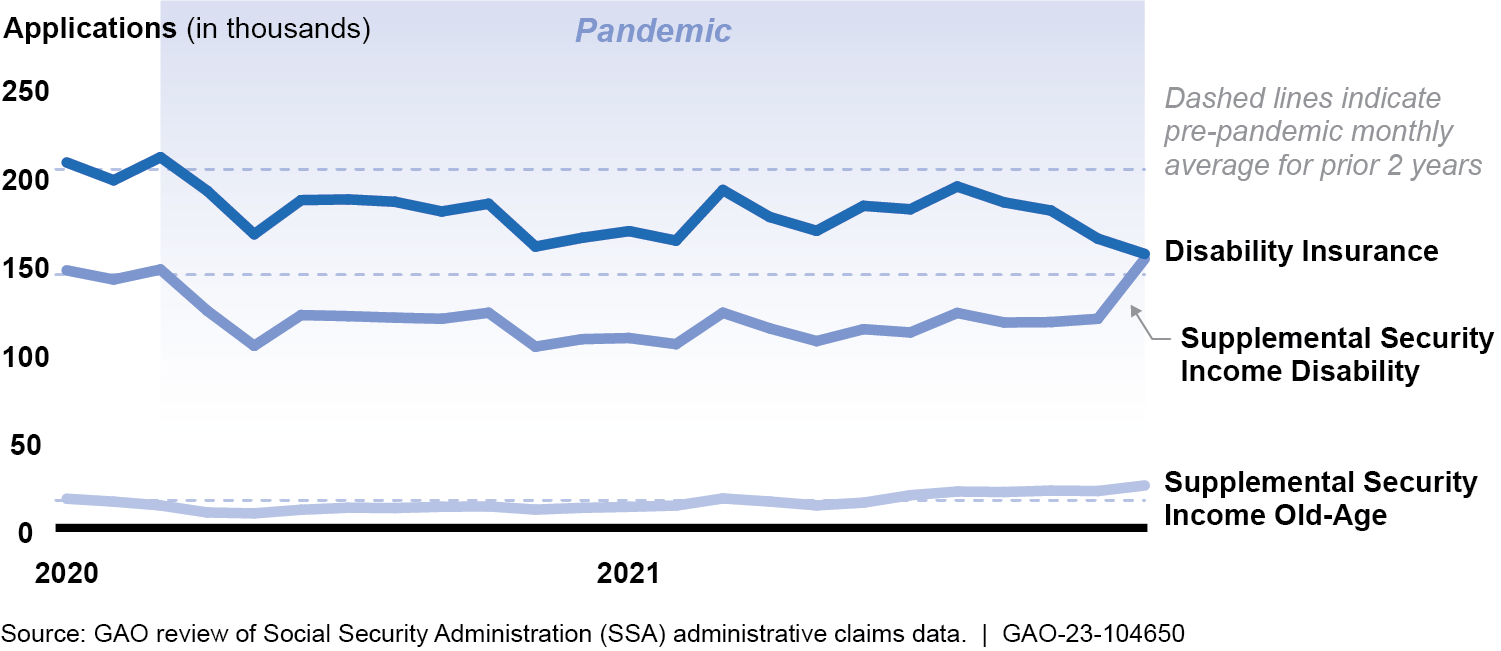
Social Security Administration: Remote Service Delivery Increased during COVID-19, but More Could Be Done to Assist Vulnerable Populations
What GAO Found COVID-19 prompted the Social Security Administration (SSA) to make dramatic changes in the way it delivers services and administers its programs. On March 17, 2020, SSA closed its offices to the public—providing limited in-person visits for individuals with certain critical needs—and expanded remote service delivery options. SSA increased
Lawsuits lay out accusations of fraud within Social Security disability program
NORTH KANSAS CITY, Mo. — When additional medical evidence is needed to approve a disability benefits application with the Social Security Administration, the agency requires applicants to get a consultative exam with a doctor. In the Kansas City region, Midwest CES is one of several contractors working with the government to
Pandemic struggles still afflict Social Security, a last lifeline for many
Six months after reopening its field offices to the public, the Social Security Administration is struggling to restore basic customer services and is assisting millions fewer of the poor, elderly and disabled people who sought its help before the coronavirus pandemic, federal data shows. Even as prolonged office closures caused applications
COVID raises risk of long-term brain injury, large U.S. study finds
CHICAGO (Reuters) - People who had COVID-19 are at higher risk for a host of brain injuries a year later compared with people who were never infected by the coronavirus, a finding that could affect millions of Americans, U.S. researchers reported on Thursday. The year-long study, published in Nature Medicine, assessed
Long COVID Experts and Advocates Say the Government Is Ignoring ‘the Greatest Mass-Disabling Event in Human History’
Dr. Ezekiel Emanuel is used to feeling like the only person in the country who still cares about COVID-19. He ignores the side-eye he gets for wearing an N95 mask at parties—a self-imposed policy that makes him “look odd” but kept him safe after a recent work dinner turned into a
A Disability Program Promised to Lift People From Poverty. Instead, It Left Many Homeless.
CHARLOTTE, N.C. — After two months of sleeping in the Salvation Army Center of Hope homeless shelter, Margaret Davis has had no luck finding an apartment she can afford. The 55-year-old grandmother receives about $750 a month from the federal government. She’s trying to live on just $50 cash and $150